Shopify Alternative for My Made-to-Order Clothing Online Store
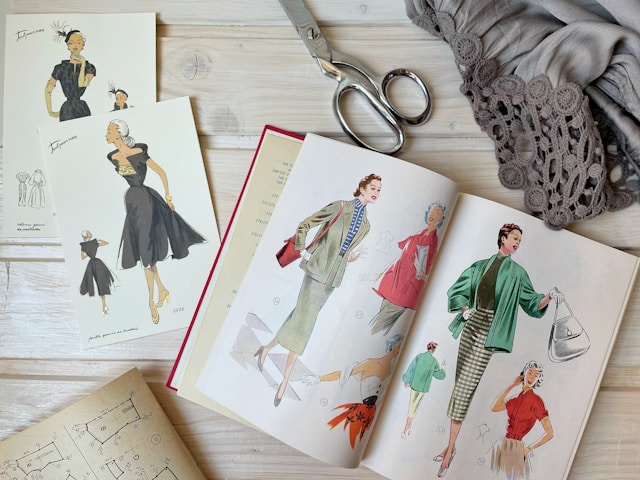
If you make clothing to order (dresses, suits, streetwear, knitwear, anything produced after the customer buys) you've probably looked at Shopify and felt like it wasn't quite built for you. That's because it isn't. Shopify is optimised for in-stock retail: inventory syncing across locations, automated fulfilment to third-party warehouses, bulk order processing. None of that matches a business where production starts after the order arrives. What you actually need is simpler: a clean store that looks good, a way for customers to ask questions before committing, and a checkout that sets the right production timeline expectations.
Quick answer: For a made-to-order clothing store, Vendroad is the most practical Shopify alternative: free to start, chat features built in for pre-purchase questions, no per-transaction platform fees, and no bloated inventory system you don't need. Wix and Squarespace are worth considering if your priority is design flexibility over simplicity.
Why does Shopify feel wrong for made-to-order clothing?
Shopify Basic starts at $39/month. At that price you get unlimited product listings (useful), inventory management across multiple locations (irrelevant), two staff accounts (probably more than you need), and an app ecosystem where the things you actually want (WhatsApp or crisp chat, production time notices, pre-order handling — each cost extra on top).
The bigger mismatch is conceptual. Shopify's whole backend is built around stock levels: how many units you have, where they're stored, when they run out. When you make to order, you don't have stock levels. You have a production queue. Managing a system built for one model when you operate the other is friction every single day.
If you use a payment processor other than Shopify Payments, there's also an additional 2% platform transaction fee on the Basic plan on top of your gateway's processing rate. For a made-to-order clothing seller who might price pieces at £80–300, that adds up.
What does a made-to-order clothing store actually need?
Three things matter more than anything else for this model:
Pre-purchase communication. Clothing buyers, especially for made-to-order pieces, want to ask about sizing, fabric, lead time, and whether you can adjust a style before they commit. A store that makes this easy converts significantly better than one that doesn't. The best version of this is a chat feature visible on the product page. The minimum viable version is a clearly visible email or DM option.
Honest lead time visibility. "Ships in 2–4 weeks" needs to be impossible to miss. Not buried in an FAQ, not only visible post-purchase, right on the product page, before the add-to-cart button. Customers who don't see this and expect standard ecommerce speed will chase you with "where is my order?" messages every time.
A store that looks like your brand. Made-to-order clothing is a considered purchase. The customer is buying something made for them specifically, often at a higher price than they'd pay off-the-rail. A store that looks generic, cluttered, or like every other Shopify theme undermines the premium nature of what you're selling. You need a store that looks like you.
Everything else (inventory management, multi-channel selling, automated fulfilment workflows) is noise for your business model.
Which platforms actually work for made-to-order clothing?
Vendroad - best for most made-to-order clothing sellers
Vendroad is built for small independent sellers, not for warehouse-scale retail. The free plan gives you up to 5 products, full Stripe payment processing, and WhatsApp or Crisp chat (which for made-to-order clothing is genuinely the most valuable feature on the list). When a customer can tap a button and ask "do you make this in a size 16?" or "can I get this in burgundy?" before they buy, your conversion rate on those visitors goes up meaningfully.
At $7/month (Starter), you get 50 products and every feature included (discount codes, shipping, all themes, SEO defaults) with no per-transaction platform fee and no inventory system cluttering your dashboard.
Checkout configuration for complex product configuration is also available e.g if your clothing requires customers to specify exact measurements, fabric choice from 12 options, and custom embroidery text all at checkout, you can configure this in checkout settings.
→ See how Vendroad works for clothing sellers
Wix — best if your priority is visual design control
Wix Core at $29/month gives you freeform drag-and-drop design that no other platform at this price matches. If your clothing brand has a strong visual identity and you want a store that reflects it precisely — specific layout choices, editorial-style product presentation, lookbook sections — Wix gives you that flexibility. No platform transaction fees. Pre-order and made-to-order notes can be added clearly in product descriptions.
The downside: no built-in WhatsApp chat (it requires a third-party app), and it's $22/month more than Vendroad's Starter plan.
Squarespace — best for editorial, fashion-forward presentation
Squarespace Core at $23/month has the most design-polished templates of any platform at this price. For a made-to-order clothing brand where photography and aesthetics are central to the sale, Squarespace's visual quality is hard to beat. Zero transaction fees on Core and above.
Avoid the entry Business plan, it charges a 3% transaction fee on every sale on top of payment processing, which on a £150 dress is £4.50 taken by the platform before Stripe takes its share.
What about Etsy?
Etsy is worth running alongside your own store for discovery; new customers searching "made to order midi dress" or "custom knitwear UK" might find you there when they wouldn't find your standalone store yet. But Etsy charges 6.5% transaction fees, owns your customer data, and your store looks like every other Etsy seller's store. Once a customer has bought from you once, you want them coming back to your own store where the relationship is yours.
See the full Etsy vs your own website comparison for the detailed breakdown.
How should I structure my made-to-order clothing store?
Lead time front and centre. Put your current production window on every product page, above the fold. "Currently making in 3–4 weeks" is not a deterrent , it's reassurance that you're in demand and that the wait is part of the deal. Hiding it creates problems. Showing it creates trust.
Fewer products, better presented. A made-to-order clothing store with 8 beautifully photographed, fully described styles will convert better than one with 40 mediocre listings. Show the thing on a real person. Show the fabric close up. Show the back. The photography is doing the work of the fitting room.
Make sizing information impossible to miss. Made-to-order clothing has a returns problem when sizing isn't clear. Customers ordering something they then can't wear creates bad reviews, refund requests, and wasted making time. Detailed size guides, measurement instructions, and an obvious "message us to check your size" option before purchase prevent most of this.
Use product variants for options you can handle. Size, colour, and fabric choice can all be handled as product variants in your store without needing a custom configurator.
Frequently Asked Questions
What is the best Shopify alternative for a made-to-order clothing store? Vendroad is the strongest overall alternative for made-to-order clothing sellers. It starts free, includes WhatsApp chat on every plan for pre-purchase communication, has no platform transaction fees, and doesn't include inventory management tools you don't need. Wix and Squarespace are good alternatives if visual design flexibility is your top priority.
How do I show lead times on my made-to-order clothing store? Add your current production window directly to each product description, above the add-to-cart button. Something like 'Current lead time: 3–4 weeks from order' set as a clear, visible line before the size selector. You can also add it to your shipping policy and your store's homepage banner. The goal is that no customer can complete a purchase without having seen it.
Can I take custom sizing orders through an online store? Standard product variants (size S, M, L, XL) work fine for made-to-order clothing that follows standard sizing. For fully bespoke pieces where the customer provides exact measurements, the cleanest workflow is to customize your checkout to accept measurements. This video shows how to do it on Vendroad.
Is Etsy better than having my own store for made-to-order work? Etsy gives you discovery. Your own store gives you brand ownership, customer data, lower fees, and a professional presence that isn't shared with millions of other sellers. Most successful made-to-order sellers use both: Etsy for reaching new customers, their own store for repeat business and brand building. See our full Etsy vs your own website guide for the complete comparison.
Can I accept deposits or split payments for high-ticket made-to-order items? This is a common need for higher-ticket bespoke work taking a 50% deposit at order and the remainder on completion. Most hosted platforms don't handle this natively. The common workaround is: create two separate products (Deposit and Balance Payment), or handle the deposit via a manual payment link and the balance via another. Not elegant, but functional. If split payments are central to your business model, WooCommerce with the right plugin is the most flexible solution.
Running a made-to-order clothing store? Start free on Vendroad — Chat features included, no per-transaction fees, up to 5 products at no cost.